

There is something inherently sophisticated yet deeply comforting about a plate of Shrimp Scampi. This Italian-American classic relies on a handful of high-quality ingredients to create a sauce that is bright, buttery, and intensely flavorful. Whether you are hosting a candlelit dinner or looking for a quick weeknight meal that feels like a luxury, this dish delivers. The combination of succulent shrimp, aromatic garlic, and a zesty lemon-butter sauce tossed with silky pasta is a timeless favorite that never fails to impress.
Why You’ll Love This Recipe
Perfect for Date Nights
Shrimp Scampi is the quintessential “impressive yet easy” meal. It takes less than 30 minutes from start to finish, meaning you can spend less time in the kitchen and more time enjoying the company of your guests. The elegance of the plated dish, especially when garnished with fresh parsley and a sprinkle of Parmesan, mimics the experience of a high-end seafood bistro right in your own dining room.
Garlic and Lemon Highlights
The soul of this recipe lies in the balance between the richness of the butter and the sharp acidity of the lemon and dry white wine. Infusing the olive oil with plenty of minced garlic creates a fragrant base that permeates every strand of pasta. This bright flavor profile cuts through the richness of the shrimp, making every bite feel light yet satisfying.
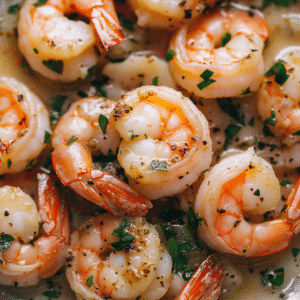
Ingredients
- 1 lb Linguine or Spaghetti
- 1.5 lbs Large Shrimp, peeled and deveined
- 4 tbsp Unsalted Butter
- 2 tbsp Extra Virgin Olive Oil
- 5 cloves Garlic, minced
- 1 large Shallot, finely diced
- 0.5 cup Dry White Wine
- 1 whole Lemon, juiced and zested
- 0.25 cup Fresh Parsley, chopped
- 0.5 tsp Red Pepper Flakes
Instructions
- Cook pasta in salted water until al dente; reserve 1/2 cup pasta water.
- Sauté shrimp in oil and 2 tbsp butter for 2 minutes per side; remove from pan.
- In the same pan, sauté shallots and garlic. Add wine and lemon juice; reduce by half.
- Whisk in remaining butter, then toss in pasta, shrimp, and parsley to coat.
Nutrition
Ingredient Highlights & Substitutions
Essential Ingredients
Large, peeled, and deveined shrimp are the stars here. Using fresh lemon juice is non-negotiable, as bottled juice lacks the vibrant citrus oils necessary for a true scampi. A dry white wine, such as Pinot Grigio or Sauvignon Blanc, adds a complex depth to the sauce. For the pasta, long, thin noodles like linguine or angel hair are the traditional choices for catching the light sauce.
Smart Substitutions
If you prefer not to use wine, you can substitute it with chicken broth or even a splash of clam juice for an extra seafood punch. For a lower-carb version, this sauce is incredible over zucchini noodles or spaghetti squash. If you find yourself out of shallots, a small amount of finely diced yellow onion or the white parts of green onions will work perfectly. If you enjoy quick pasta dishes, you must try our High-Protein Creamy Rotisserie Chicken Broccoli Pasta.
Step-by-Step Instructions
Prep Phase
Start by bringing a large pot of heavily salted water to a boil. While the water heats, pat your shrimp dry with paper towels; this ensures they sear rather than steam in the pan. Finely mince your garlic and shallots. Zest one lemon before juicing it to ensure you capture all that concentrated citrus flavor. Prepare your parsley by chopping it finely, as it will be added at the very end to preserve its color and freshness.
Cooking Phase
Cook the pasta according to the package directions until just al dente. While the pasta cooks, heat olive oil and two tablespoons of butter in a large skillet over medium-high heat. Add the shrimp in a single layer, seasoning with salt, pepper, and red pepper flakes. Sear for about one to two minutes per side until pink and opaque, then remove the shrimp from the pan. In the same skillet, sauté the shallots and garlic until fragrant. Pour in the wine and lemon juice, scraping up any browned bits from the bottom. Let the liquid reduce by half before whisking in the remaining butter. Toss the cooked pasta and shrimp back into the sauce, coating everything thoroughly.
| Ingredient Group | Key Component | Function |
|---|---|---|
| Proteins | Large Shrimp | Main texture and flavor |
| Aromatics | Garlic & Shallots | Fragrance and depth |
| Liquids | White Wine & Lemon | Acidity and deglazing |
| Fats | Butter & Olive Oil | Sauce emulsification |
Pro Tips for Perfect Results
Technique Secrets
The most important technique in making a restaurant-quality scampi is emulsification. When you add the final cold pats of butter to the reduced wine and lemon juice, whisk constantly. This creates a creamy, velvety sauce rather than a broken, oily one. Additionally, always reserve a half cup of the pasta cooking water. If the dish looks too dry once tossed, a splash of this starchy water will help the sauce cling perfectly to the noodles.
Common Mistakes to Avoid
Overcooking the shrimp is the most frequent error. Shrimp cook extremely quickly and can become rubbery in seconds. Remove them from the pan the moment they turn “C” shaped and opaque. Also, be careful not to burn the garlic. Sauté it only until it smells fragrant; if it turns dark brown, it will become bitter and ruin the delicate balance of the lemon-butter sauce.
Serving Ideas & Pairings
Presentation & Plating
Twirl the pasta into nests using a large carving fork and place them in shallow bowls. Arrange the shrimp on top and pour any remaining sauce from the pan over the dish. A final dusting of freshly grated Parmesan cheese and a generous sprinkle of red pepper flakes adds both color and a subtle heat that wakes up the palate.
Pairing Suggestions
A crisp, chilled glass of the same white wine used in the cooking is the perfect companion. For a side dish, a simple arugula salad with a light vinaigrette or a piece of crusty garlic bread is ideal for soaking up the extra scampi sauce. The acidity of the salad or the crunch of the bread provides a necessary textural contrast to the soft pasta and tender shrimp.
Frequently Asked Questions
Q1: Can I use frozen shrimp?
Absolutely. Just ensure they are completely thawed and patted very dry before cooking to prevent excess water from diluting the sauce.
Q2: What can I use instead of white wine?
Chicken broth is the best non-alcoholic substitute. Add an extra teaspoon of lemon juice to mimic the acidity the wine would have provided.
Q3: How do I keep the pasta from sticking?
Toss the pasta with the sauce immediately after draining. If you must wait, a tiny drizzle of olive oil can help, but fresh sauce is the best remedy.
Conclusion
This Shrimp Scampi recipe with pasta is a testament to the power of simple, fresh ingredients. By mastering the quick sear of the shrimp and the emulsification of the butter sauce, you can create a meal that rivals any Italian restaurant. It is a versatile, bright, and satisfying dish that deserves a permanent spot in your recipe rotation. Enjoy the process and the delicious results!