
In the world of baking, sometimes less is more. The Perfect Shortbread Cookies Recipe is the ultimate testament to this. With only three main ingredients—butter, sugar, and flour—this Scottish classic delivers a melt-in-your-mouth texture that no other cookie can rival. It is buttery, crumbly, and delicately sweet. This recipe is the foundation of holiday baking, perfect for gifting, and the ideal companion to a hot cup of tea. Mastering this simple ratio will make you a legend among your friends and family.
Why You’ll Love This Recipe
The 3-Ingredient Magic
You likely have everything you need right now. There are no leavening agents (baking soda/powder) and no eggs. This simplicity allows the flavor of the high-quality butter to shine through completely.
Versatile Shape & Flavor
While the classic recipe is pure butter, shortbread is a sturdy vehicle for other flavors. Dip them in chocolate, add dried fruit, or press them into molds. You can slice them, stamp them, or cut them into fun shapes.
Ingredients
- 1 cup Unsalted butter, slightly softened
- 0.5 cup Powdered sugar
- 2 cups All-purpose flour
- 0.5 tsp Salt
- 1 tsp Vanilla extract (optional)
Instructions
- Beat butter and powdered sugar until creamy (do not overbeat).
- Add vanilla. Gradually mix in flour and salt until a dough forms.
- Form into a disk, wrap in plastic, and chill for 30 minutes.
- Preheat oven to 325°F (160°C).
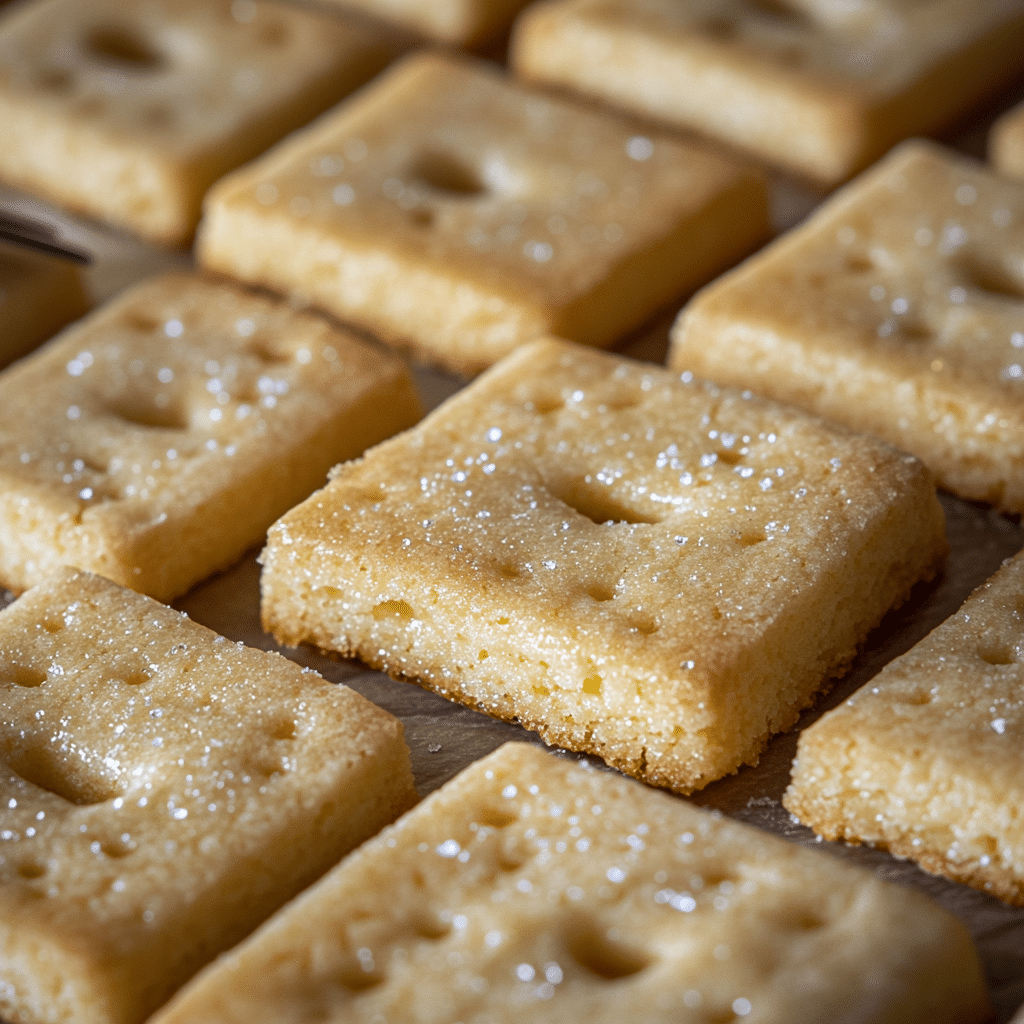
- Roll out dough to 1/2 inch thick. Cut into shapes. Prick with a fork.
- Bake for 12-15 minutes until set but pale. Cool on wire rack.
Nutrition
Ingredient Highlights & Substitutions
Essential Ingredients
- Butter: This is the star. Use the highest quality unsalted butter you can afford (European style is great here). It must be slightly softened but still cool to the touch.
- Sugar: Powdered sugar (confectioners’ sugar) is the secret to the “melting” texture. Granulated sugar makes a crunchier cookie, but powdered sugar contains cornstarch which keeps the crumb tender.
- Flour: All-purpose flour provides the structure.
- Salt: Essential to cut the richness of the butter.
- Vanilla Extract: Optional, but adds a lovely aroma.
Smart Substitutions
- Butter: Do not substitute margarine or shortening. The flavor will be waxy and the texture won’t be right. Shortbread is butter.
- Flavorings: You can swap vanilla for almond extract, or grate lemon zest into the sugar before mixing for a citrus twist.
- Flour: You can replace 1/4 cup of flour with cornstarch or rice flour for an even sandier, lighter texture.
Step-by-Step Instructions
Prep Phase
Beat the butter and powdered sugar together until creamy but not fluffy—you don’t want to incorporate too much air, or the cookies will spread. Add the vanilla. Slowly mix in the flour and salt until a dough forms. It will look crumbly at first; keep mixing low and slow until it clumps together.
Cooking Phase
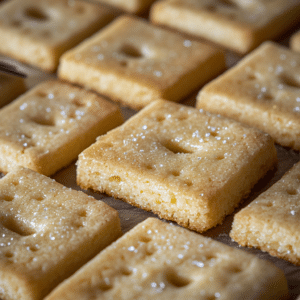
Form the dough into a disk, wrap in plastic, and chill for 30 minutes. This relaxes the gluten. Preheat oven to 325°F (160°C). Roll out the dough to 1/2 inch thickness. Cut into rectangles or use cookie cutters. Place on a parchment-lined sheet. Prick the tops with a fork (this is called “docking”). Bake for 12-15 minutes. Important: Shortbread should remain pale. Remove them when they are set but barely starting to turn golden on the bottom edges.
Pro Tips for Perfect Results
Technique Secrets
“Docking” the dough with a fork isn’t just for looks. These holes allow steam to escape evenly during baking, preventing the cookies from bubbling up or baking unevenly. It ensures that signature flat, dense shortbread surface.
Common Mistakes to Avoid
- Overworking the Dough: Once the flour is added, mix as little as possible. Too much mixing develops gluten, turning your tender shortbread into tough hardtack.
- Baking too Hot: Shortbread needs a low and slow bake. If the oven is too hot, the butter will melt out before the structure sets, leading to greasy puddles.
- Using Warm Butter: If your butter is meltingly soft when you start, the dough will be impossible to handle.
Serving Ideas & Pairings
Presentation & Plating
Shortbread is elegant in its simplicity. Stack them tied with a red ribbon for a gift, or serve on a floral saucer. Dipping half the cookie in melted dark chocolate adds a luxurious touch.
Pairing Suggestions
- Beverages: Earl Grey tea or coffee are the traditional pairings. The bitterness of the drink offsets the rich butteriness of the cookie.
- Variety: Serve these alongside our Classic Snickerdoodles Soft Chewy Cinnamon Sugar Cookies for a texture contrast between the crisp shortbread and the chewy snickerdoodle.
Frequently Asked Questions
Q1? Can I re-roll the scraps?
Yes, but only once. The more you roll, the tougher the cookies get. Try to cut efficiently the first time.
Q2? Why is my dough too crumbly?
It might be cold in your kitchen. Warm the dough slightly with your hands to help the butter bind the flour.
Q3? How long do they keep?
Shortbread ages beautifully. They taste even better after a few days and keep well in an airtight container for up to 3 weeks.
| Butter Type | Fat Content | Flavor Result |
|---|---|---|
| Standard American | 80% | Good, Classic |
| European Style (Kerrygold) | 82-84% | Richer, yellower, deeper flavor |
| Cultured Butter | 82%+ | Tangy, sophisticated |
| Margarine | Variable | Not Recommended (Oily) |
Conclusion
The Perfect Shortbread Cookie is a reminder that you don’t need complex ingredients to make something delicious. With quality butter and a gentle hand, you can create a melt-in-your-mouth treat that feels like a warm hug. It is a timeless recipe you will return to year after year.